11 October 2025 – 22 March 2026
A self-portrait by a woman is often much more than just an image of her face or body. It can be a powerful tool for addressing social issues, experimenting with photographic techniques or exploring her relationship with herself. In the exhibition I’ll Be Your Mirror – Women’s Self-Portraits from the Collection, the museum presents works from the collection by female artists who explore different approaches to photographic self-portraiture.
The exhibition shows intuitively how these artists use the self-portrait to explore or make powerful statements about sensitive themes such as abortion rights, colonial history and body positivity.
I’ll Be Your Mirror – Women’s Self-Portraits from the Collection is on display from 11 October to 22 March and features works by, among others, Karla Hiraldo Voleau, Mari Katayama, Thania Petersen, Laura Hospes and Hélène Amouzou. It provides an opportunity to exhibit several recently purchased self-portraits by female artists, which augment the existing collection in which self-portraiture plays an important role.
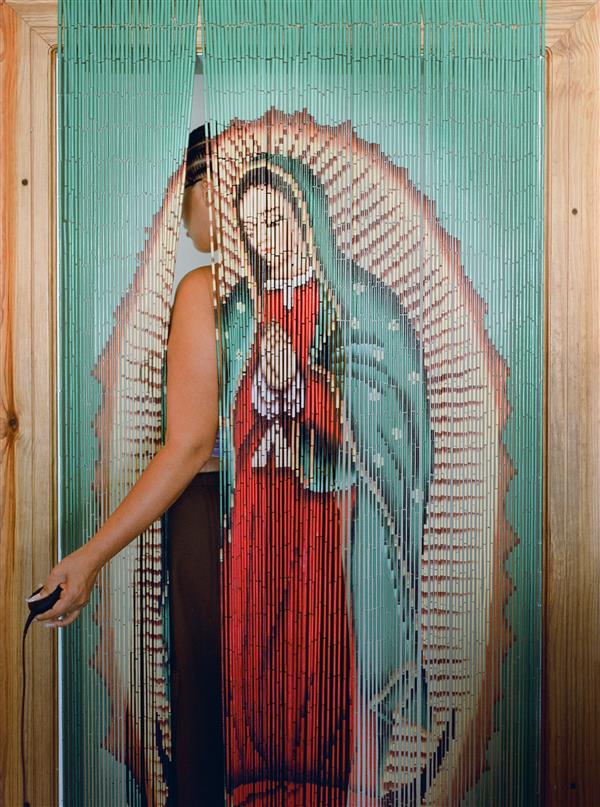
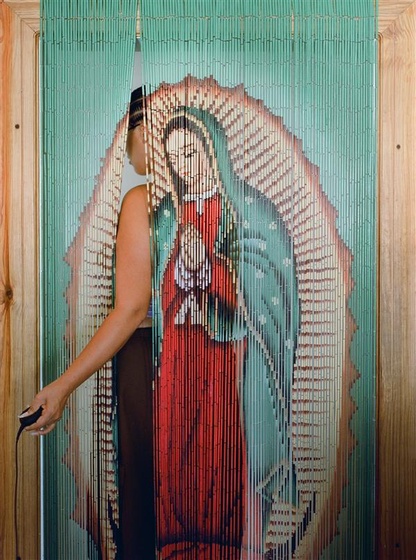
Self-portraiture allows women artists the take charge of how they present themselves. This has certainly not always been the case for women in the history of art and photography. The French Dominican photographer Karla Hiraldo Voleau (1992) explores this power dynamic in her series Doble Moral (2023-present). In her home country, the Dominican Republic, abortion is illegal under all circumstances. For Doble Moral, she has collaborated with women from all walks of life who have had illegal abortions, giving them control over how they were photographed, sometimes by letting them press the shutter release themselves or by including herself in their portraits.
There is also a sense of security in making a self-portrait: it’s just you and the camera, often in the privacy and safety of your own studio. This offers opportunities for experimentation and confrontation with the camera and yourself. For artists Laura Hospes (1994) and Mara Katayami (1984), who both have a complex relationship with their bodies, this is an important part of their process. The camera lens becomes a therapeutic tool that enables them to accept and even admire their own bodies.
The exhibition combines recent photography with self-portraiture from earlier periods, by artists including Eva Besnyö, Aysel Bodur and Helena van der Kraan. This combination shows that the photographic self-portrait has always been an essential part of women’s photographic practice.
Note for editors
For more information, extra press images and interview requests:
Annemarie van den Eijkel | +31 642 216 272 | avandeneijkel@fmdh.nl